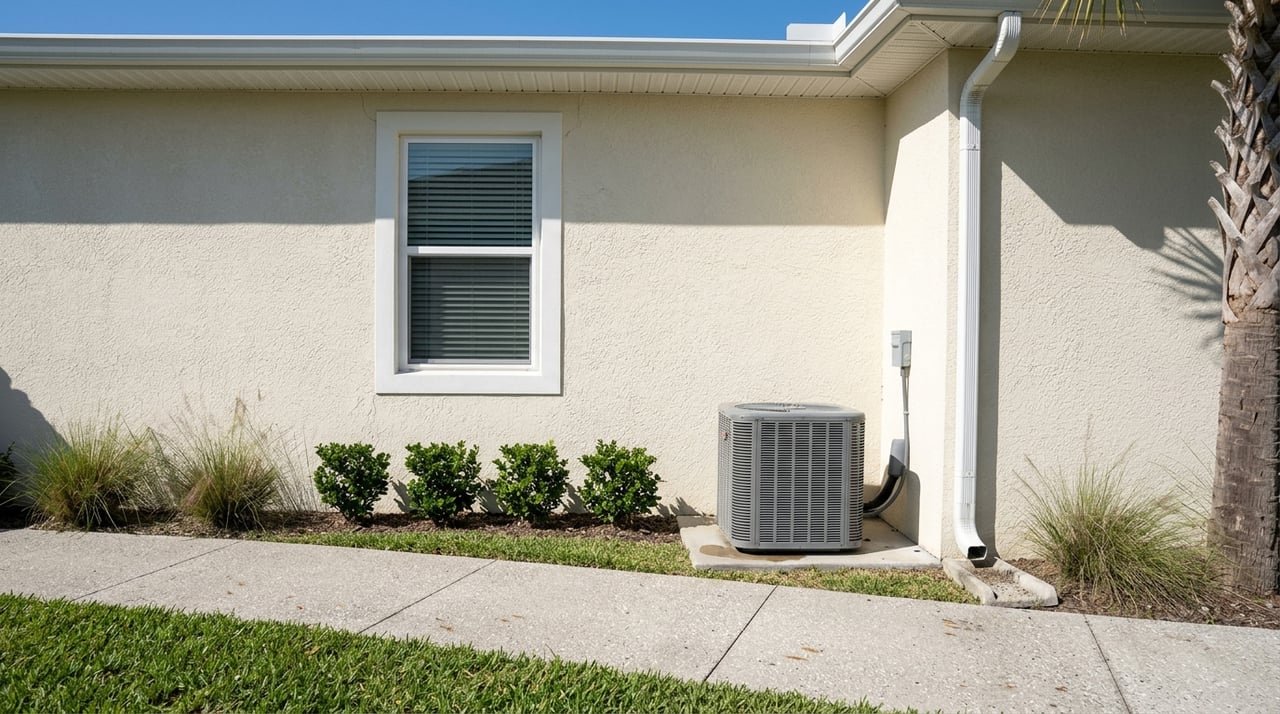
Fort Walton Beach Home Inspection: What Buyers Should Expect
April 23, 2026
April 23, 2026
Buying a home near the coast can feel exciting and a little nerve-racking at the same time. If you are under contract in Fort Walton Beach, the home inspection is one of the most important steps for understanding what you are really buying and what questions to ask next. The good news is that when you know what a Florida inspection does and does not cover, you can read the report with more confidence and make smarter decisions. Let’s dive in.
A home inspection in Florida is a visual review of a home’s visible and readily accessible systems and components. State standards focus on what an inspector can observe without dismantling materials or using destructive methods, and inspectors are not required to identify concealed defects or use special instruments to measure things like moisture, humidity, or air quality, according to Florida's home inspection rules.
That matters because many buyers expect an inspection to work like a guarantee. It does not. Under Florida law, the report is a condition snapshot of the home on the day of the inspection, not a warranty for future performance.
Florida’s core inspection scope generally covers the home’s main systems and components. As outlined by the state’s licensing information, that usually includes:
Before the inspection starts, the inspector must provide a copy of their license and a written disclosure explaining the scope and exclusions. Florida inspectors are licensed through DBPR, and the state requires training and a department-approved exam for licensure, as explained by the Florida Department of Business and Professional Regulation.
In most cases, the inspector will spend time moving through the home system by system, noting visible issues, deferred maintenance, and signs that a component may be significantly deficient or near the end of its service life. If something was present but not inspected, the report should say what was not inspected and why.
If you can attend, it is often helpful. The Consumer Financial Protection Bureau recommends attending the inspection when possible so you can better understand the findings and ask questions in real time.
A Florida home inspection report should identify systems or components the inspector believes are significantly deficient or close to the end of their service lives. If the reason is not obvious, the report should explain why.
It should also list items that were not inspected and explain the reason they were excluded. What it does not have to include is repair-cost pricing, which is another reason buyers often need follow-up quotes from licensed contractors after the inspection.
A standard home inspection matters everywhere, but Fort Walton Beach brings a few local conditions into sharper focus. In coastal Okaloosa County, flooding is a major concern, especially in areas south of the Eglin Reservation, where the county says coastal flooding is the primary flood hazard.
According to Okaloosa County flood guidance, coastal flooding can happen year-round, not just during hurricane season. The county can also help property owners determine whether a home is in a Special Flood Hazard Area and provide DFIRM flood-zone and base flood elevation information.
That means your due diligence should go beyond the general inspection. A home can have an acceptable inspection report and still require a separate flood-risk review and insurance evaluation.
Florida’s climate adds another layer. UF/IFAS guidance notes that moisture problems can contribute to mold growth, condensation in walls, roof or plumbing leaks, and AC condensate issues.
For Fort Walton Beach buyers, that makes it especially smart to pay attention to signs of roof wear, drainage problems, attic ventilation concerns, and moisture intrusion. A standard inspector is still working within a visual scope, but these are the kinds of issues that deserve close attention in a humid coastal market.
Florida buyers should also understand that termite or other wood-destroying organism concerns are often handled through a separate report. If a wood-destroying organisms inspection is performed for a real estate transaction and a fee is charged or a written report is requested, Florida uses a separate Wood-Destroying Organisms Inspection Report, Form 13645.
In plain terms, if the general inspector sees signs that raise concerns, you may need an additional specialist rather than relying on the standard inspection alone.
This is where many buyers get surprised. A standard Florida home inspection has clear limits, and some coastal features fall outside that scope.
Under Florida inspection rules, inspectors are not required to evaluate geological, geotechnical, or hydrological conditions. They also do not have to inspect items such as:
Inspectors are also told not to go beyond their licensed scope. The state notes that items such as septic tanks and pools or spas may require separate licensed professionals when specialized evaluation is needed, as explained in DBPR home inspector guidance.
Depending on the home, your lender, or your insurance carrier, a general inspection may be only one part of the picture. In Florida, these related inspections are often separate:
This is especially relevant in Fort Walton Beach, where insurance questions and storm-readiness features can become part of the buying conversation quickly.
Once the report comes in, you are usually deciding what findings are cosmetic, what findings are maintenance-related, and what findings are serious enough to affect negotiations. The CFPB says buyers may use inspection findings to request seller-paid repairs, ask for a seller credit, or in some cases cancel the contract if the agreement allows it.
If the lender sees major problems, repairs may need to happen before closing, or funds may need to be held back after closing for the work. This is one reason inspection timelines matter so much. You want enough time to review the report, get any specialist opinions you need, and make decisions without feeling rushed.
If you are selling in Fort Walton Beach, it helps to think like a buyer before the inspection happens. Since inspectors focus on visible and accessible conditions, simple maintenance and access can make a difference.
A few practical steps include:
These steps do not guarantee a perfect report, but they can reduce avoidable questions and help the process move more smoothly.
Not all buyers realize this, but you can verify an inspector’s Florida license before moving forward. DBPR provides an online portal for license verification, and the CFPB also recommends choosing an independent inspector who is accountable to you.
That independence matters. You want clear information, honest observations, and a report that helps you make a sound decision.
In Fort Walton Beach, these topics overlap, but they are not the same thing. The home inspection reviews the visible condition of the property. Flood-zone research helps you understand location-based flood exposure. Insurance inspections and quotes help you understand coverage needs and costs.
Okaloosa County also notes that homeowners and windstorm insurance do not cover flood damage to the structure, and flood insurance generally has a 30-day waiting period before it becomes effective, according to the county’s flood facts flyer. For coastal buyers, that is an important planning detail.
A home inspection is one of your best tools for reducing surprises, but it works best when you understand its limits. In Fort Walton Beach, that means looking at the report as a starting point for decisions, negotiations, and possible follow-up inspections, not as a promise that every issue has been found.
If you want a steady guide as you navigate inspections, negotiations, and the local factors that matter on the Emerald Coast, Shelby A Baker is here to help you move forward with clarity and confidence.
Stay up to date on the latest real estate trends.


Get assistance in determining current property value, crafting a competitive offer, writing and negotiating a contract, and much more. Contact Shelby today to discuss all your real estate needs!