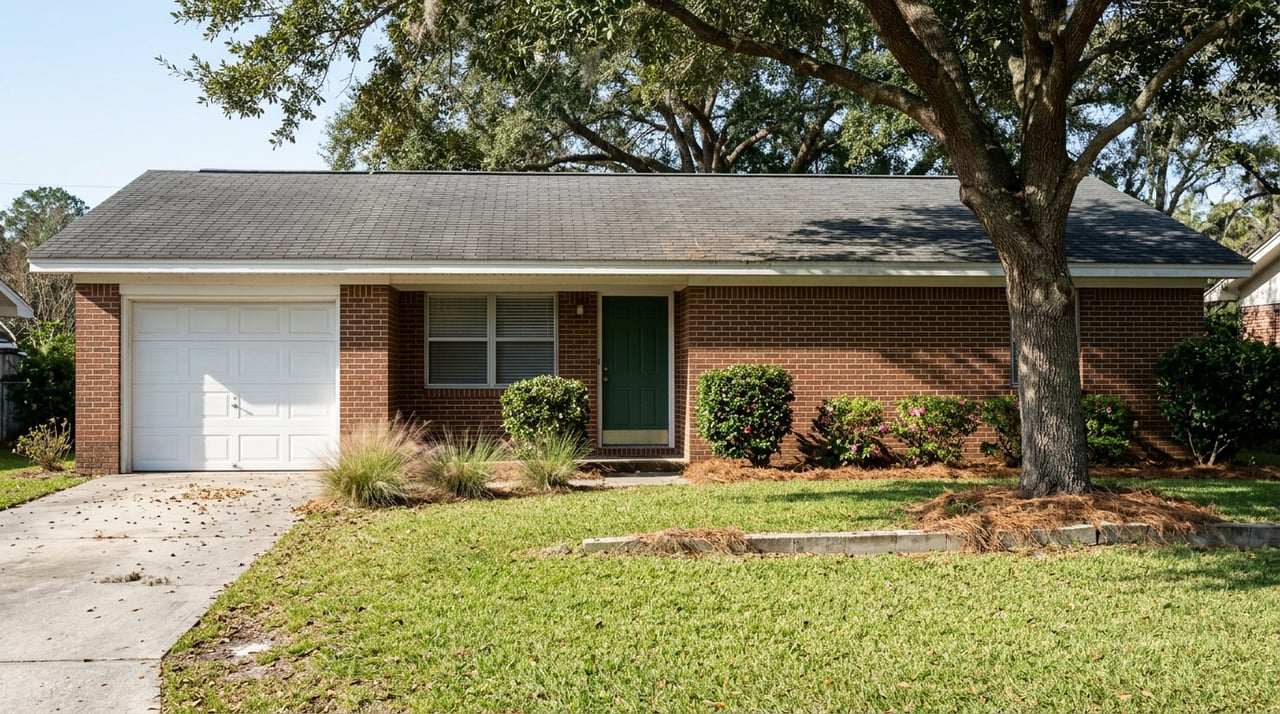
How Holley FL Water Bills Affect Homebuyer Costs
August 13, 2026
August 13, 2026
As WEAR reported in December, Terry Light said, "I'm paying twice for my water." Light owns both a home and a business, Pik-itz! Art & Antiques, in the Holley-Navarre area, so when the local water utility raises rates, he feels it on two bills instead of one. He wasn't asking for sympathy. He followed the complaint with something more telling: he still wants the system to work, even if working means paying more. At the time, the utility board was about to vote on a 12 percent rate increase for 2026, which would mark the fourth increase members had faced since 2022 if approved.
A buyer comparing a three-bedroom in Holley against a similar listing in Gulf Breeze or Mary Esther can compare recent water bills alongside the asking price, tax record, and any HOA fee.
Most homes in the Holley area aren't served by a city. They're served by Holley Navarre Water System, known locally as HNWS, a member-owned, not-for-profit corporation that provides water and wastewater service across the Holley-Navarre area, including the Hidden Creek golf community inside Holley by the Sea. As of late 2023, WKRG reported the system served more than 14,000 customers in south Santa Rosa County.
Member-owned means something specific here. There's no city council setting rates and no franchise agreement with an investor-owned utility. Rate increases move through an elected board of directors, then get presented at an annual members' meeting for acceptance, the kind of meeting where a homeowner in Holley has an actual vote. That structure sounds like it should keep bills in check. In practice, it hasn't stopped the increases. It's just made the reasoning public.
Local coverage documents several rate changes since 2022.
| Year | Increase | Source |
|---|---|---|
| 2022 | 6% | WEAR, Jan. 2025 |
| 2024 | 4.5% | WKRG, Dec. 2023 |
| 2025 | 12% | WEAR, Jan. 2025 |
| 2026 | 12% (advanced) | Navarre Press, Dec. 2025 |
HNWS CEO Jeff Crigler has been direct about why. "This system was created in the late 70s," he told WEAR in January 2025. "So we've got things that are still in the ground from that time frame." His argument isn't that the utility is mismanaged. It's that it went a decade without adjusting for inflation, and the bill for that gap has come due all at once. "If you go back to 2016, had there been an increase just to account for inflation every year, we would be in the place that we're gonna be after we approve this 12% increase," Crigler said. "It's really just a matter of keeping up with the economy."
Here's where the story gets more interesting than a simple rate hike. When the board debated the 2025 increase, a consultant framed the hikes against a federal benchmark: the EPA considers a water and sewer bill affordable if it stays under 4.5 percent of median household income. HNWS bills, the consultant told the board, sit at roughly 1 to 1.1 percent of local median income, well under that threshold, meaning that by any conventional utility industry standard, the current plan is affordable.
That's true, and it's also beside the point for a household budgeting month to month. The utility's own estimate was that a typical member using around 5,000 gallons a month would see the bill climb by roughly $7 to $8 a month with the increase. Stack four of those increases since 2022 and a household isn't looking at a rounding error anymore. It's a bill that has grown meaningfully faster than inflation in the years a buyer would use to project their own carrying costs forward. A number can be affordable by federal standard and still be the thing that makes a buyer's spreadsheet wrong two years after closing.
One more piece worth knowing before you assume this is just bureaucratic drift: HNWS board seats are contested, and voters show up. In the February 2025 board election, Navarre Press reported that challenger Carmen Reynolds won with 240 votes, Pamela Hardy took the second open seat with 217, and incumbent Daryl Lynchard held on with 214. Two sitting directors, Joe Campbell and Don Linnell, were voted out. The tally included 181 absentee ballots, 32 proxies, and 10 corporate ballots cast by local businesses.
That's not a rubber-stamp board. It's a small, real election where members who don't like the direction of rate increases have a mechanism to do something about it beyond writing a letter. Buy a home in Holley and you become one of those voters. It's a different relationship to your utility bill than you'd have moving into a city-run system, for better or worse, and it's worth knowing that going in rather than discovering it at the first annual meeting notice in your mailbox.
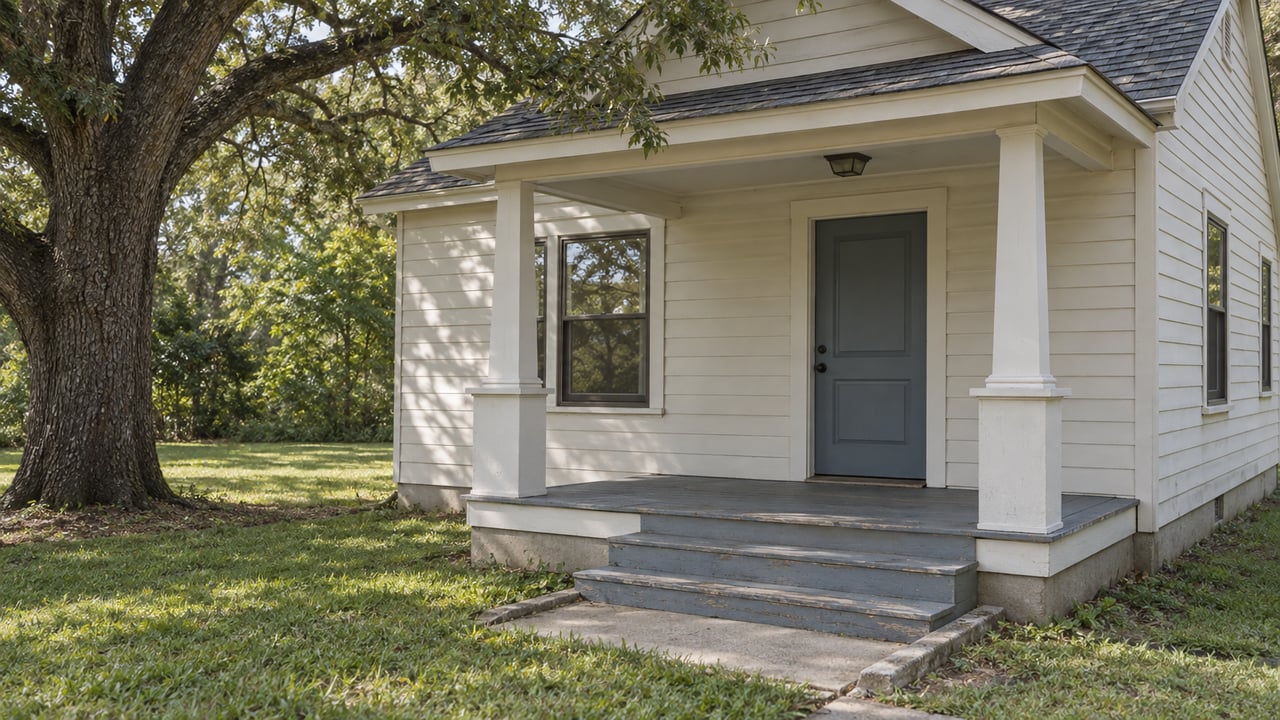
The practical takeaway isn't that Holley is a bad place to buy. Home shoppers who already like the oak-shaded lots, the East Bay access, and the quieter pace compared to the beach corridor aren't going to be scared off by a water bill. But the utility question deserves the same diligence a buyer gives a septic inspection or an HOA estoppel letter. Before you get deep into a specific address, it's worth confirming:
None of this changes the appeal of the neighborhood. It changes what you're actually comparing when you put two listings side by side and one shows a lower monthly number that turns out to be missing a piece.
A median price tells a buyer what the market thinks a house is worth today. It says nothing about a fifty-year-old pipe network that a small elected board has been quietly catching up to since 2022, one 4.5 to 12 percent vote at a time. That's the piece worth carrying into a Holley home search: the sticker price is only part of the monthly math, and HNWS rates have increased since 2022.
How do I find out if a specific Holley address is served by HNWS or a private well? Ask the seller for the most recent utility bill, or contact Holley Navarre Water System directly with the property address. HNWS can confirm whether an account exists at that location.
Are HNWS rate increases capped by a state regulator? The increases described here moved through the utility's own board and its annual members' meeting rather than a city council. If you want the specifics of how a particular increase was approved, HNWS posts meeting agendas and past increases on its site.
Does an HOA in Holley by the Sea or Hidden Creek cover the water bill? No. HOA dues and HNWS membership are billed separately by separate organizations. A home inside one of those communities carries both costs, not one in place of the other.
If you're weighing a home in Holley against something in Navarre, Gulf Breeze, or Mary Esther and want the real monthly math, not just the list price, Shelby A Baker can pull the utility provider, the HOA status, and the recent billing history on any specific address before you write an offer. Schedule a consultation and start with the full picture instead of the sticker price.
This article is general information, not legal, tax or financial advice. Consult a qualified professional about your situation.
Stay up to date on the latest real estate trends.
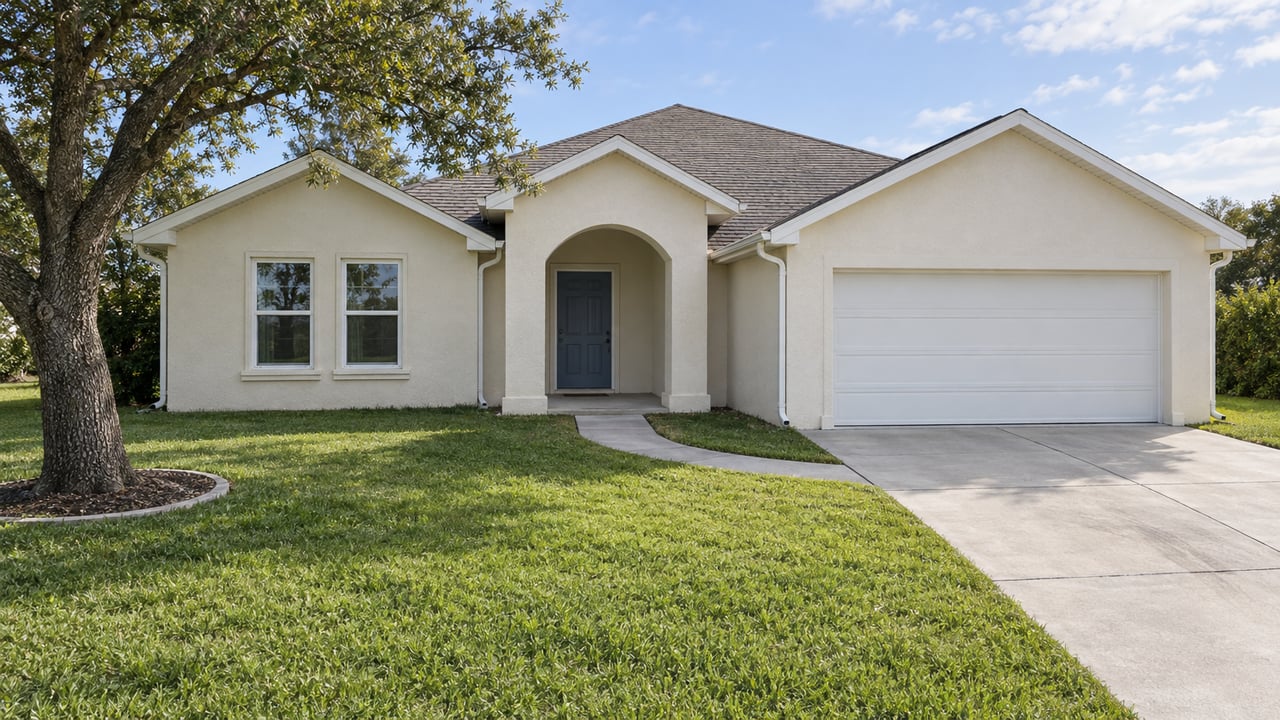
Get assistance in determining current property value, crafting a competitive offer, writing and negotiating a contract, and much more. Contact Shelby today to discuss all your real estate needs!