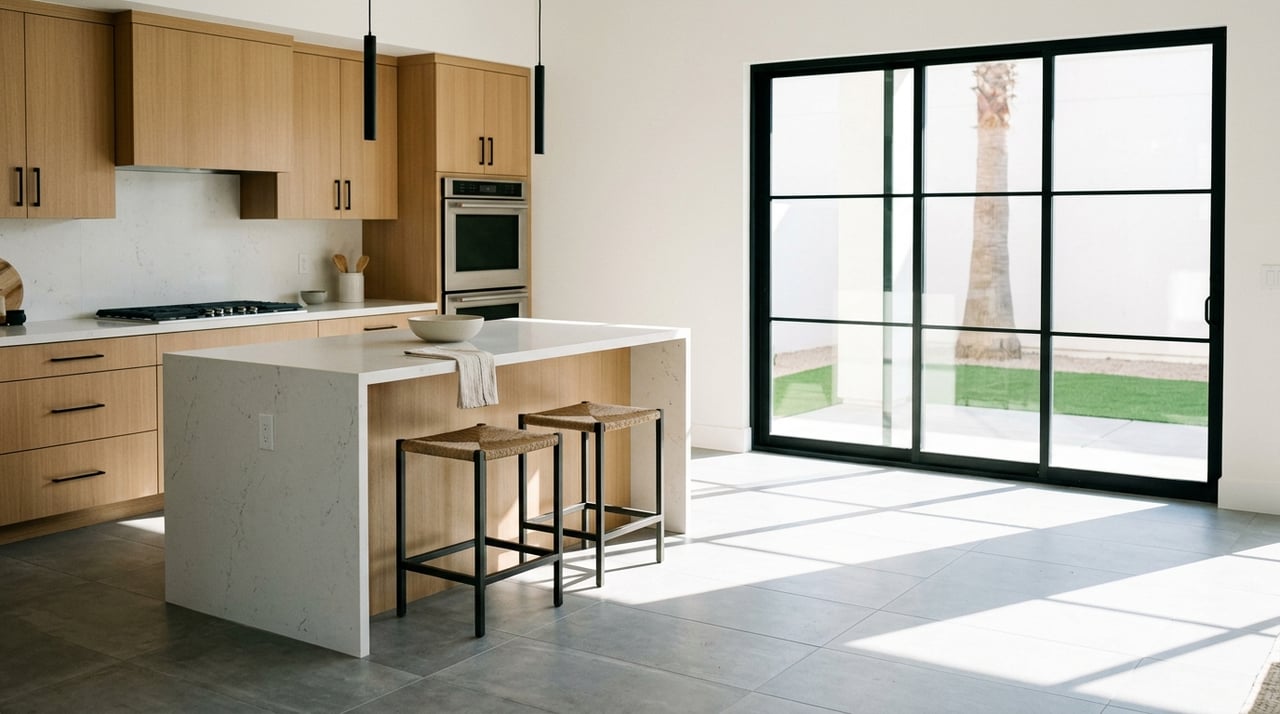
Milton FL New Construction: What Buyers Should Know
June 11, 2026
June 11, 2026
If you have ever driven through Milton and wondered how a field turns into a full neighborhood, you are not alone. New construction can look simple from the street, but behind the scenes there are approvals, plats, permits, utility planning, contracts, and builder timelines that all shape when a community is ready for buyers. If you are thinking about buying a new home in Milton, understanding how these neighborhoods work can help you ask better questions, avoid surprises, and move forward with more confidence. Let’s dive in.
New construction in Milton is shaped by more than just a builder buying land and starting homes. The City of Milton says it uses smart-growth principles and focuses development along primary transportation corridors, with many projects moving through boards or committees before City Council review.
That matters because neighborhood development is often a layered public process, not a quick one-step approval. Santa Rosa County’s East Milton Master Plan, adopted on February 26, 2026, also reflects how land use, transportation, and infrastructure are being planned in one of the county’s fastest-growing areas.
Milton’s planning materials show the city grew faster than the state from 2000 to 2020 and project continued housing demand through 2040. In plain terms, demand is there, but growth still has to move through local review and infrastructure capacity.
Before homes can be sold in a new subdivision, the neighborhood itself usually has to clear several development steps. In Milton, major subdivision plats and planned development projects require Planning Board review and recommendation before City Council action.
The city’s subdivision code adds another important point for buyers: final plat approval does not become final development-order approval until the plat is recorded. It also says no lot may be sold and no building permit may be issued until the final plat is approved and recorded.
That is a key difference between buying in a new neighborhood and buying a resale home. With resale, the lot and home are already legally established. With new construction, the neighborhood may still be moving through technical review, construction-plan review, and final plat steps.
Milton’s code also notes that technical review committee comments on construction plans are due within 30 days after receipt. Even so, that is only one part of the process, and neighborhood timelines can still stretch depending on revisions, approvals, and infrastructure readiness.
If a lot is inside Milton city limits, Santa Rosa County requires prior city approval before the county will issue a building permit. The county’s residential permit packet also calls for a plot plan, two full sets of plans, wind-load design details, and Florida Product Approval or county approval numbers for exterior components.
That helps explain why buyers sometimes hear that a home is "almost ready" but still cannot close right away. Final paperwork, approvals, and product submittals can affect timing even when visible construction looks close to complete.
A new neighborhood is not just about roads and houses. It also depends on utilities, drainage, wastewater capacity, and other systems that support long-term growth.
Milton’s planning department handles planning and zoning, code enforcement, and construction inspections, while both the city and county maintain flood and infrastructure resources. The county offers a flood-risk portal, and the city says it is studying future growth corridors and wastewater capacity.
In January 2026, Milton announced state permits for a new wastewater treatment plant and sprayfields. That does not guarantee timing for any specific subdivision, but it is a good reminder that infrastructure can influence how quickly new areas are fully ready for additional homes.
One of the biggest things to understand is what kind of new home you are buying. Not all new construction works the same way.
A spec home is already under construction, and sometimes complete, before you sign a contract. A pre-sale or to-be-built home is sold before completion, which usually means a longer wait and more moving parts.
By definition, a finished or near-finished spec home usually closes faster than a pre-sale build. Still, the exact timeline depends on the construction stage, lender timing, and permit status.
NAHB reports that the average U.S. single-family completion time was 10.1 months in 2023, while homes built for sale averaged 8.9 months. In Milton, local approval steps, utility readiness, and product-submittal issues can shorten or lengthen that window.
If you need a faster move, a spec home may be the better fit because much of the construction work is already done. This can be especially helpful if you are relocating on a deadline or trying to line up the sale of your current home.
If you want more input on finishes, a pre-sale home may offer some choices. Just keep in mind that in many production neighborhoods, customization is limited and controlled by the builder.
Many buyers picture new construction as a blank slate, but that is not always how production neighborhoods work. NAHB research found that builders usually control product selections, and buyers often have a narrower set of choices than they expect.
In practice, many Milton buyers will see a base price plus a menu of allowances, credits, or limited selections rather than unlimited customization. Florida Bar guidance says contracts should identify allowances or credits for items like cabinets, countertops, fixtures, appliances, flooring, roofing, landscaping, and decorating.
This is one area where details matter. A lower base price may look attractive at first, but the final price can change once upgrades, lot premiums, or finish selections are added.
Exterior selections can be especially important in Florida. Milton’s permit packet requires Florida Product Approval or county approval numbers for exterior components, which can affect items like windows, doors, roofing, and shutters.
That means some upgrade ideas may not be as simple as swapping out a finish at the last minute. If you are considering changes, ask early what is allowed, what is already included, and whether product approvals could affect cost or timing.
New-construction contracts often look different from resale contracts, so it helps to read closely and ask questions before you sign. CFPB recommends making your purchase offer and sales contract contingent on financing and a satisfactory inspection.
For a not-yet-built home, a builder may ask for an upfront builder deposit or earnest money. You should ask exactly when that deposit is refundable and under what conditions.
Florida Bar guidance says a Florida construction contract should include the contractor’s license number, legal description of the land, plan and specification details, total price, commencement and completion dates, payment stages, allowances or credits, lien releases, warranties, and construction-period insurance. Those details can help you understand exactly what you are agreeing to.
Florida Bar also warns that deposits over 10 percent of the contract price can trigger additional legal obligations. That makes it especially important to understand the deposit structure before you commit.
No. Builders often work with an affiliated lender, but buyers do not have to use that lender.
CFPB says you can and should compare multiple loan options. If you are exploring financing, ask whether the builder incentive is tied to using a preferred lender and compare that value against the terms of other loan offers.
Construction loans can also work differently from standard mortgages. CFPB notes that construction loans are usually short-term, funded in advances as work progresses, and often require payments within 6 to 24 months after the loan is made.
Before signing with a builder, verify that the builder has an active license. Florida Bar recommends checking the contractor’s license and business-qualifier number through the state, and it notes that a licensed contractor may only build within the scope of the license held.
Lien protection is another area buyers should not overlook. Florida Bar says recent or under-construction homes need special attention to Florida construction-lien protections before closing.
Even in a brand-new home, it is smart to keep an inspection contingency in place when possible. CFPB recommends a satisfactory-inspection contingency, and that advice can be especially valuable when you are buying a home that is still being completed.
Many buyers assume every warranty works the same way, but there are differences. The FTC distinguishes a builder warranty from a home warranty or service contract.
Most newly built homes come with a builder warranty, and FTC guidance says warranties commonly cover workmanship and materials for about one year, HVAC, plumbing, and electrical systems for about two years, and major structural defects for up to 10 years. The exact terms still vary by builder, so you will want to read the warranty carefully.
If you are using FHA or VA financing, there may be another layer to ask about. The FTC says FHA and VA require builders to buy third-party warranties for newly built homes financed with those loan types.
That can be especially relevant for military households buying near Milton on a relocation timeline. Knowing what warranty coverage applies can help you plan for both the purchase and the first few years of ownership.
A good new-construction decision starts with the right questions. Here are some of the most useful ones to bring up early:
These questions can help you compare neighborhoods more clearly and spot issues before they become expensive surprises.
Buying in a new Milton neighborhood can be exciting, but it also comes with more variables than many buyers expect. Approval status, recorded plats, utility timing, upgrade limits, lender choices, warranty terms, and contract details can all affect your experience.
That is why an education-first approach matters. When you understand how the neighborhood works before you sign, you are in a better position to choose the right builder, the right lot, and the right timeline for your goals.
If you are exploring new construction in Milton and want clear, local guidance from start to finish, Shelby A Baker can help you compare options, ask the right questions, and move forward with confidence.
Stay up to date on the latest real estate trends.

Get assistance in determining current property value, crafting a competitive offer, writing and negotiating a contract, and much more. Contact Shelby today to discuss all your real estate needs!