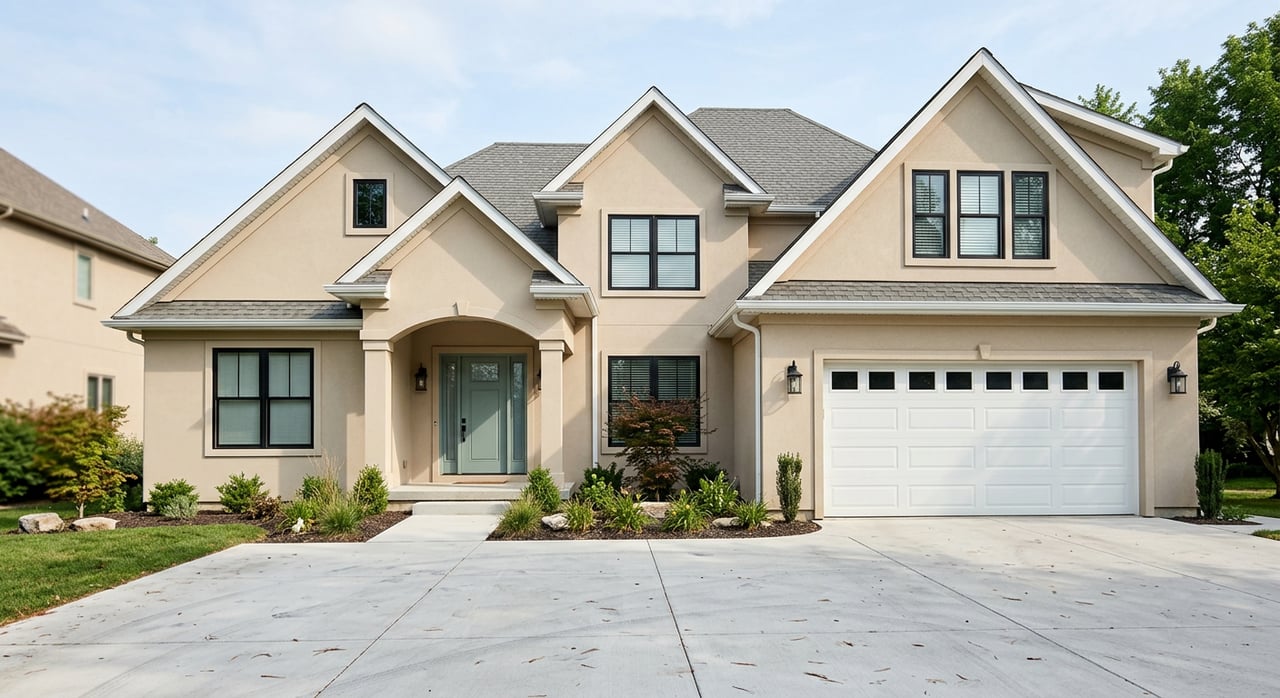
Milton FL New Construction Guide: Build or Buy With Confidence
March 24, 2026
March 24, 2026
Ready to make a fresh start in Milton but torn between buying a brand-new home or building on your own lot? You are not alone. The right choice comes down to your timeline, budget, and how much control you want over the site and finishes. In this guide, you will learn how to pick the right lot, verify utilities and flood risk, navigate permits and fees, understand inspections and warranties, and line up financing with fewer surprises. Let’s dive in.
Milton covers a mix of settings. Downtown and infill lots often have city water and sewer. Many newer subdivisions use community utility agreements. Rural acreage can rely on private wells and septic. Before you fall in love with a property, confirm the exact water and sewer setup for that specific address through the City of Milton’s utility resources and service agreements listed on the city’s utilities page. You can start with the city’s Utilities Signup information for service areas and forms.
Flood risk varies by parcel. Ask for any existing Elevation Certificate, then check county flood resources to understand zones and potential insurance costs. Santa Rosa County’s Floodplain Management page offers maps and guidance, and you can verify a parcel’s FEMA zone by address using FEMA’s official tools.
If you prefer a faster path, a spec or quick-move home can shorten your wait because permits, plans, and sitework are often underway. If you want control over orientation, plan layout, and finishes, building on a lot gives you that flexibility with a longer runway.
Water and sewer access differ by service area. Some locations tap into City of Milton utilities, while others rely on separate agreements. Before making an offer, confirm water and sewer availability and ask what connection fees apply. If the lot will use municipal sewer, plan to provide the paid sewer-tap receipt or service agreement when you apply for a building permit. Review the city’s utility service and forms on the City of Milton Utilities Signup page: City of Milton utilities and agreements.
Where public sewer is not available, you will need an onsite sewage permit. For Santa Rosa County, septic (OSTDS) permitting and percolation work are handled by the Florida Department of Environmental Protection for this region. Expect to submit septic approvals as part of your building plans, and be aware that certain environmentally sensitive areas can require advanced treatment systems. Learn more here: Florida DEP Onsite Sewage Program.
Flood zones affect building requirements, insurance, and elevation needs. Request any Elevation Certificate on file and review county records. Use Santa Rosa County’s guidance to understand flood zones, base flood elevation, and ways to verify property status: Santa Rosa County Floodplain Management resources. You should also check the FEMA map for the specific address and get lender or insurer quotes for coverage if needed.
Ask for subdivision documents and any HOA, CDD, or road assessments that could affect monthly costs. Confirm setbacks and easements before you finalize a plan. If your driveway crosses a county ditch or right of way, you may need a culvert or access approval. The county’s residential permit packet outlines setbacks and key submittals you will need: Santa Rosa County Residential Building Permit Application.
Santa Rosa County processes permits and inspections through the My Government Online system. Your builder will submit plans, manage revisions, and request inspections there. Review the county’s permit page for current steps and timing: Development Services permits and MGO portal.
Santa Rosa County collects transportation impact fees for building applications submitted on or after May 5, 2025. These are typically due before permit issuance and are based on a land-use schedule. Always ask whether the home price includes impact fees or if they will be added at permitting or closing. See the county’s schedule and map here: Santa Rosa County Impact Fee Information.
For most projects that meet state thresholds, you must record a Notice of Commencement before the first inspection. This protects payment flows and clarifies lien rights for both you and the contractor. You will find instructions and county requirements in the permit packet: Residential Permit Application and checklist.
Exterior products like windows, doors, shutters, and roofing must have Florida Product Approvals or approved local equivalents under the Florida Building Code. Your builder’s plans and product lists should include approval numbers. The county’s checklist explains what to submit during plan review: Residential Permit Application and checklist.
Once permits are approved, a typical single-family home often takes about 7 to 9 months from permit to completion, with production builds on the shorter end and custom work on the longer side. Weather, sitework, and supply conditions can add time. A simple milestone map looks like this: permit submission, sitework and foundation, framing and rough-ins, insulation and drywall, finishes, then final inspections and a Certificate of Occupancy. For national timing context, see recent industry data: Single-family construction timeline trends.
County inspectors check code compliance at set stages. Many buyers also hire independent inspectors for extra quality control at pre-pour, pre-drywall, final, and an 11-month warranty check. Independent inspections can help you document issues early and keep the build on track.
Florida now requires a one-year statutory builder warranty for newly constructed homes that covers certain construction defects that materially violate the Florida Building Code. You should still get a written builder warranty and schedule an 11-month inspection to note any items before the warranty ends. Review the statute here: Florida Statute Chapter 553, including §553.837.
Florida also shortened the long-stop period that applies to many construction-defect claims in recent legislative changes. If you have questions about timing for potential claims, be aware the period is shorter than it used to be and check current law. A legislative analysis is available here: Florida SB 360 analysis.
You have two common paths. A construction-only loan is short term and interest-only during the build, then you refinance into a permanent mortgage. A construction-to-permanent, or one-time-close loan, combines the build and the long-term mortgage into one approval and one closing. Some lenders offer FHA, VA, and conventional options for one-time-close, so ask about availability and pricing. Clarify how draws are paid to the builder, what inspections or approvals are required for each draw, and how change orders or overruns are handled.
Large parts of Santa Rosa County may qualify for USDA Rural Development single-family programs. Eligibility depends on the exact address and household income. Verify a property’s status using the official tool: USDA property and income eligibility.
Before closing, your lender and title company will usually require a final Certificate of Occupancy, a recorded Notice of Commencement where applicable, and lien waivers tied to paid draws. These items help protect you from surprise mechanic’s liens after move-in. The county’s residential permit checklist outlines the required paperwork for permitting and inspections: Residential Permit Application and checklist.
If the home will be your primary residence, ask about filing for Florida’s homestead exemption after closing. Filing timelines are set by statute and handled by the county property appraiser’s office. Your agent can remind you of deadlines and point you to the online filing portal.
Use this to keep your build or new-home purchase on track.
Documents to request before you sign
Questions to ask your builder and lender
Ready to compare options in Milton with a calm, step-by-step plan? Tap into new-construction expertise, local utility and permit know-how, and a process built around clear communication. Schedule your consultation with Shelby A Baker to get started.
Stay up to date on the latest real estate trends.
Get assistance in determining current property value, crafting a competitive offer, writing and negotiating a contract, and much more. Contact Shelby today to discuss all your real estate needs!